
Feeding your cat fresh, safe, and nutritious food is essential for their health. But how can you tell when their food is no longer safe? Cat food, like any consumable, can degrade over time due to factors like storage, packaging, and exposure to heat or moisture. Here’s a comprehensive guide to help you identify if your cat’s food has gone bad and how to store it properly.
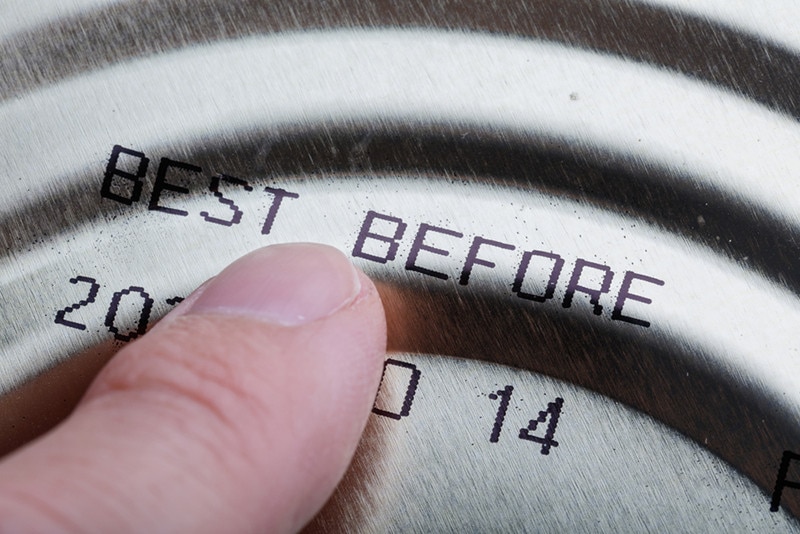
1. Check the Expiration or "Best By" Date
Every packaged food product comes with a "best by" or expiration date. While cat food labels in the United States are not always required to have this date, most manufacturers include it to indicate peak quality.
Even unopened food can lose nutritional value over time as fats and preservatives break down. Packaging may also degrade, exposing food to moisture, insects, or temperature changes. Always check the date and inspect the packaging before feeding your cat.
2. Unusual or Rancid Odor
If the food smells off or rancid, it's a clear sign it has spoiled. Cats are sensitive to scents, and spoiled food may give off unpleasant odors due to bacterial growth or oxidation of fats.
Factors like heat, humidity, and oxygen exposure accelerate spoilage. Never feed food that smells unusual—it's better to err on the side of caution.
3. Discoloration of Food
Cat food color can vary naturally depending on the protein source and ingredients. However, if a familiar food suddenly looks different—darker, lighter, or patchy—it may be stale or contaminated. Always check for an off smell to confirm.

4. Visible Mold Growth
All types of cat food can grow mold if exposed to moisture. Look for fuzzy white spots, unusual colors, or overly soft textures. Moldy food can make your cat very sick, so discard it immediately and consult your vet if consumption occurs.
5. Bulging or Swollen Packaging
Cans or fresh food packages may bulge due to gas buildup from bacterial growth. Bulging indicates spoilage, even if the seal is intact. Press lightly on the can—if it pops or makes unusual sounds, it may be unsafe to feed your cat.
6. Damaged Packaging
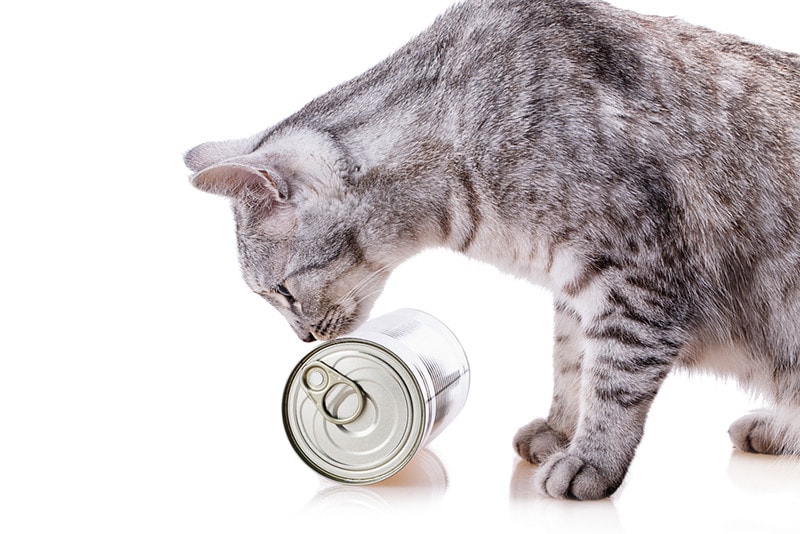
Always inspect cat food packaging before purchasing or opening. Dented cans, leaks, or open bags increase contamination risk. Dry food bags should be fully sealed to prevent moisture, insects, and bacteria from entering.
7. Food Left Out Too Long
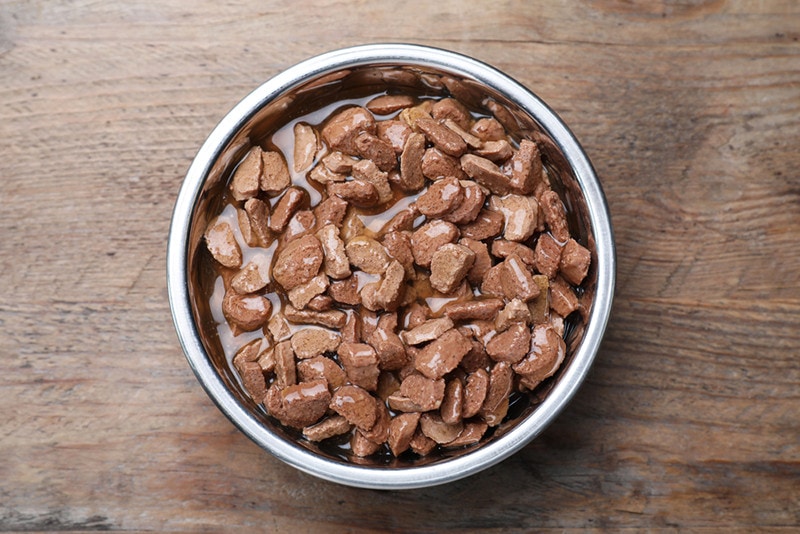
The freshness of food decreases once served. Dry food lasts longer but shouldn’t sit out more than 24 hours. Wet, canned, or fresh food should be discarded if left at room temperature for more than 4 hours to prevent bacterial growth.
8. Refusal to Eat
Cats may refuse spoiled food instinctively. If a cat normally eats well but suddenly avoids their usual food, inspect the food for spoilage. Remember, refusal may also indicate a health issue, so consult your veterinarian.
9. Signs of Illness
Eating contaminated food can lead to vomiting, diarrhea, lethargy, or even food poisoning. Rare cases like botulism, caused by Clostridium botulinum, can be fatal. If your cat shows symptoms after eating food, contact your vet immediately.
How to Store Cat Food Properly
Dry Kibble
Store in a cool, dry place below 80°F. Keep the bag sealed or use airtight containers. Consume within 6 weeks of opening, or follow manufacturer instructions.

Wet or Canned Food
Unopened cans can last years if stored cool and dry. Once opened, refrigerate and use within 7 days. Portions can be frozen to extend storage. Discard after 4 hours at room temperature.
Fresh Food
Refrigerate or freeze fresh food. Thaw portions as needed. Never leave out more than 2 hours. Follow manufacturer storage instructions carefully.
FAQ: Cat Food Safety
Conclusion
Checking expiration dates, odors, colors, packaging, and observing your cat’s reaction can prevent feeding spoiled food. Proper storage is the best way to maintain freshness, and consulting your veterinarian is crucial for your cat’s health and safety.